
Treatment & Prevention
Treatment
Chloroquine
The best drug for most malaria parasites is Chloroquine which is good for P. vivax, P. ovale and P. malariae and has the exception of P. vivax strains from Oceania. After successful treatment with Chloroquine for P. vivax or P. ovale, it is necessary to give a 2-3 week course of Primaquine (15mg daily) which eradicates hepatic hypnozoites and prevent relapse. P. falciparum is resistant to Chloroquine world-wide and therefore is not recommended. Older malarial drugs are now ineffective in certain parts of Africa due to drug resistant parasites and Artemisinin-based combinations therapies (ACT) are now used for P. falciparum infection.
Quinine
In developed countries P. falciparum is treated with Quinine sulphate orally if the infection is mild or intravenously if the infection is severe. Some resistance to quinine is emerging therefore other antimalarials (such as Fansidar of tetracycline) should be given at the end of the quinine course.
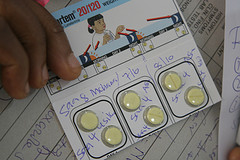
| Image courtesy of BCClimateChampions on Flickr under Creative Commons license: https://www.flickr.com/photos/bcclimatechampions/5427077665/sizes/s/in/photostream/ |
Other antimalarial drugs include
· Mefloquine
· Artemisinin derivatives
· fixed dose combination preparations like
- Malarone
- Coartemether
- Lapdap
· non fixed dose combination preparations like
- Amodiaquine
Combinations of Artemisinin derivatives are widely perceived to be the best treatment and are in national policies of many countries, but due to the cost their use in practice is prevented.
Treatment for severe P. falciparum malaria
Severe malaria is indicated by the presence of a parasite count above 1% in a non immune patient. The following are used as treatment
· intravenous artesunate
· intensive care facilities including mechanical ventilation and dialysis
· blood transfusion for anemia
· monitoring of fluid to prevent pulmonary edema and prerenal failure
· anti hypoglycemic drugs as hypoglycemia can be induced by both the infection and quinine treatment
Prevention and Control
Malaria is preventable and curable. Early diagnosis and treatment of malaria reduces disease and prevents deaths. It also contributes to reducing malaria transmission.
As malaria is a vector borne disease, its control relies on combinations of case treatment
· Vector eradication. Helps reduce malaria transmission at the community level. It is one of the best methods to reduce malaria transmission from high levels to near zero and child mortality rates. It is usually achieved using insecticides or by destroying habitats.
· Protection from bites is the first line of defense of malaria prevention. The following can be used under this...
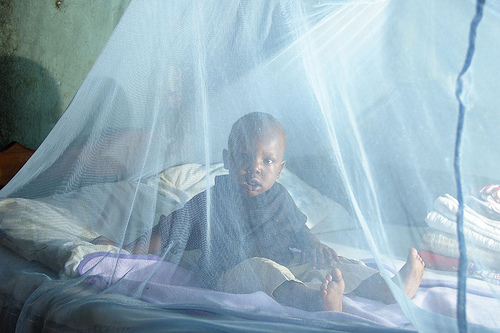
Ø insecticide-treated mosquito nets (ITNs):WHO recommends universal vector control coverage, and in most places, the most cost effective way to achieve this is through provision of Long lasting insecticidal mosquito nets, so that everyone in high transmission areas sleeps under a LLIN every night;
Ø indoor residual spraying(IRS):
|
Image courtesy of UK Department for International development under the Creative Commons License: https://www.flickr.com/photos/dfid/2944998010/ |

The provision of insecticide treated mosquito nets in Kenya has helped reduce child mortality by 15%
Drugs can also be used to prevent malaria. For travelers, malaria can be prevented through chemoprophylaxis, which suppresses the blood stage of malaria infections, thereby preventing malaria disease. Prophylactic regimens with Chloroquine, Proguanil or Mefloquine can be used based on level of Chloroquine resistance in certain areas.